

When I first entered the Three Fields project, I thought I was coming in with a clear understanding of what food meant in my practice. I garden. I make paper from plant fibres. I print with organic materials. I learned from the Black women in my family that food is never just food, that it is care, survival, memory, and sometimes resistance.
But this project stretched that understanding.
Working with artists Deepa Reddy and Kaajal Modi, across South Africa, India, and the UK, I began to see food not only as something grown and prepared, but as something that travels. Something that migrates. Something that carries both violence and healing within it.
One of the most transformative parts of this process was thinking about food through the lens of migration.
In my own kitchen, cinnamon has always been familiar and part of rituals, sprinkled into pumpkin, brewed into tea, burned softly as incense during moments of cleansing. It smelled like my grandmother’s Sunday afternoons. It tasted like warmth.
Through our collaborative research, I traced cinnamon’s journey: from Sri Lankan forests to colonial trade routes, through empire ships and into Durban’s ports. I began to understand that the cinnamon in my grandmother’s pot had crossed oceans shaped by extraction, indenture, and displacement. The spice held the memory of empire and yet, in our hands, it became medicine and ritual.
This is what food migration revealed to me: that ingredients and materials we use carry layered histories. That the global and the intimate sit in the same spoon. That food systems are archives of power, trade, and resilience.
Across our three territories, we saw how food connects us, but also how it exposes inequality. The movement of crops, the fragility of supply chains, the effects of climate change on soil and seasons, all of these shape who eats and who doesn’t. Food justice, I learned, is about dignity as much as access. Sustainability was not only a theme of the project, it shaped our method. Because we were working transnationally and largely digitally, we had to rethink what collaboration could look like without excessive travel, shipping, or material production. At first, this felt like a limitation. As artists, we often imagine collaboration through shared physical space. But gradually, sustainability became a form of discipline, and even a form of care.
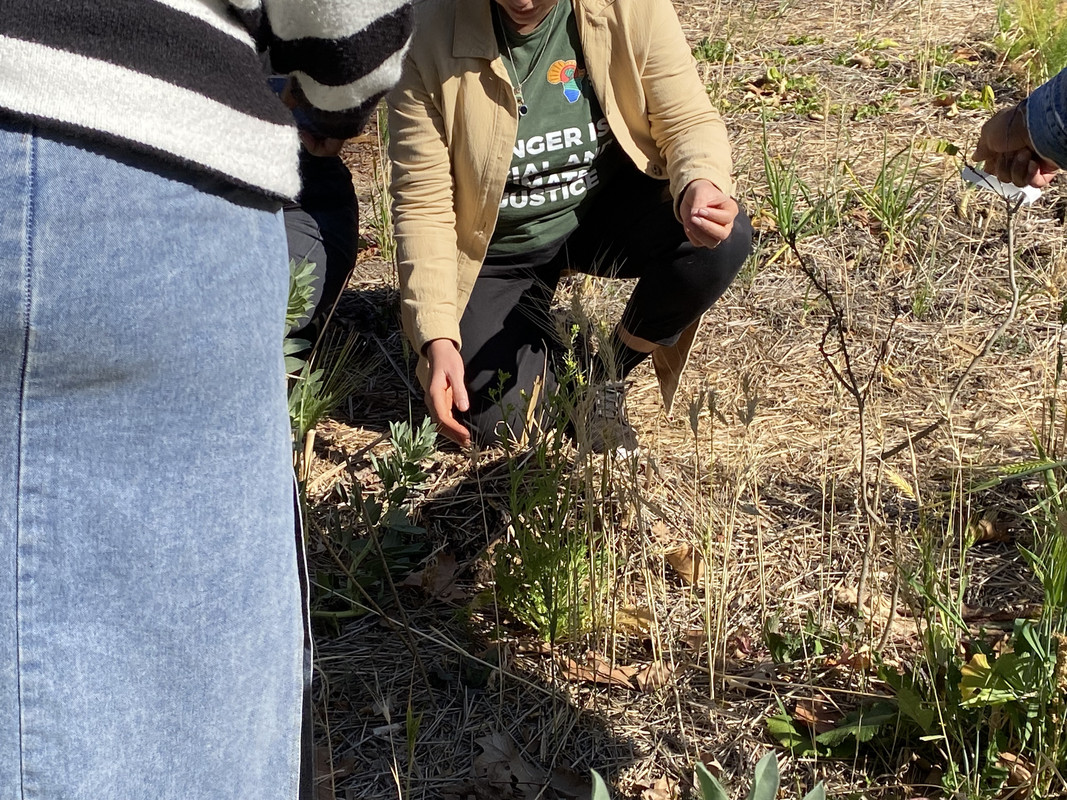
We worked with what was already available: soil from our gardens, spices from our kitchens, sound from our immediate environments. Instead of sending objects across borders, we shared processes, recordings, and reflections.
This shift required letting go of the idea that collaboration must produce a single, grand object. Instead, the process itself became the work. The conversations, the voice notes, the research threads, the moments of questioning, these were not background activities; they were central.
In many ways, sustainability taught us to think like gardeners. To prune ideas. To compost excess. To allow the project to grow within its ecological limits rather than forcing it to expand beyond them.
As someone whose practice is rooted in gardening and papermaking, working within digital infrastructures initially felt disembodied. How do you translate soil, fibre, scent, and touch into something immaterial?
This is where sound became important.
Exploring binaural sound allowed us to create intimacy across distance. The crack of cinnamon bark, the grinding of pepper, the sprinkling of salt, the hum of a kitchen, these sounds collapsed geography. They allowed someone in one territory to feel momentarily present in another.
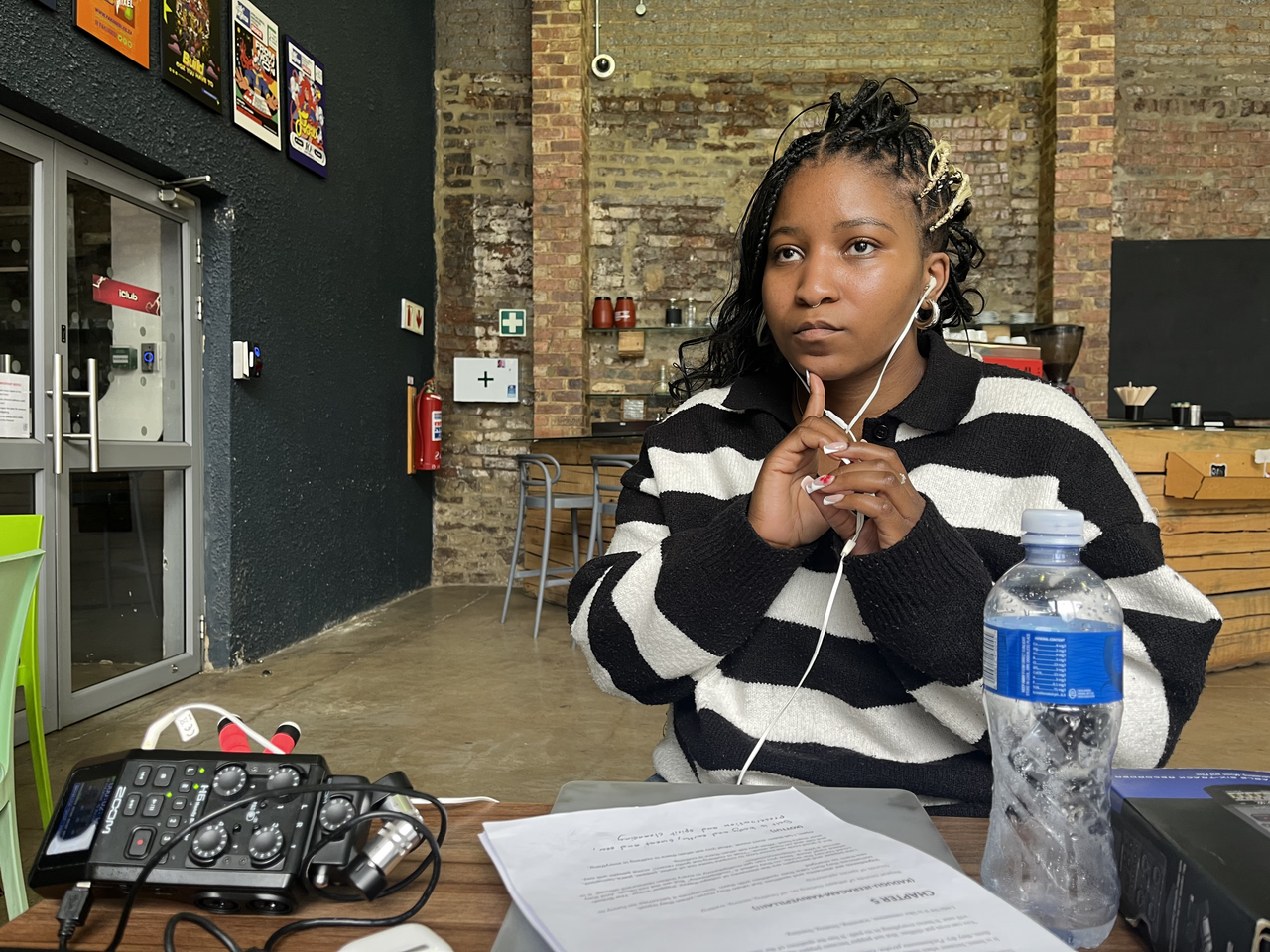
Sound became a way of carrying place without extracting it.
It also raised important questions about digital sustainability. If soil teaches cycles and reciprocity, what might it mean to approach digital platforms with the same care? Instead of extracting attention, how can we cultivate listening? Instead of speed, how can we practice slowness?
In this way, food politics helped us rethink digital futures.
As the project progressed, I realised that many of the so-called “innovations” needed for climate resilience are already embedded in indigenous and intergenerational practices such as seed saving, shared markets, circular waste systems, and medicinal plant knowledge.
Creative transformation does not mean abandoning the past. It means recognising that the past has been holding solutions all along.
Working across South Africa, India, and the UK revealed both shared histories and uneven awareness. Our territories are entangled through colonial routes and trade systems, but our lived experiences of land, climate, and food differ. Collaboration required humility.
We had to sit with difference in climate realities, in food relationships, in access to land and infrastructure. We had to interrogate who is positioned as expert and who is positioned as learner.
Over time, the collaboration became less about producing unified outcomes and more about holding a shared table, a space where soil, spice, and story could meet without flattening each other.
.jpg)
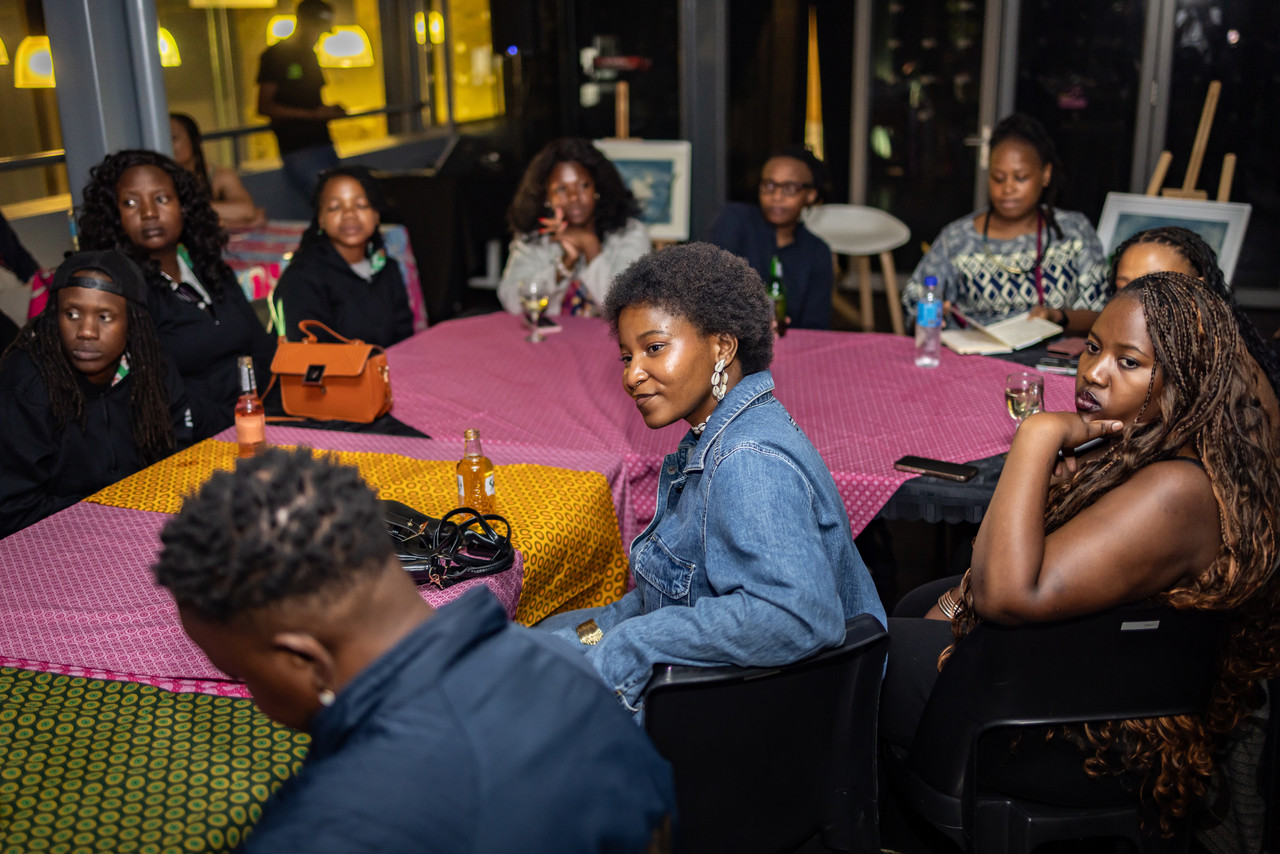
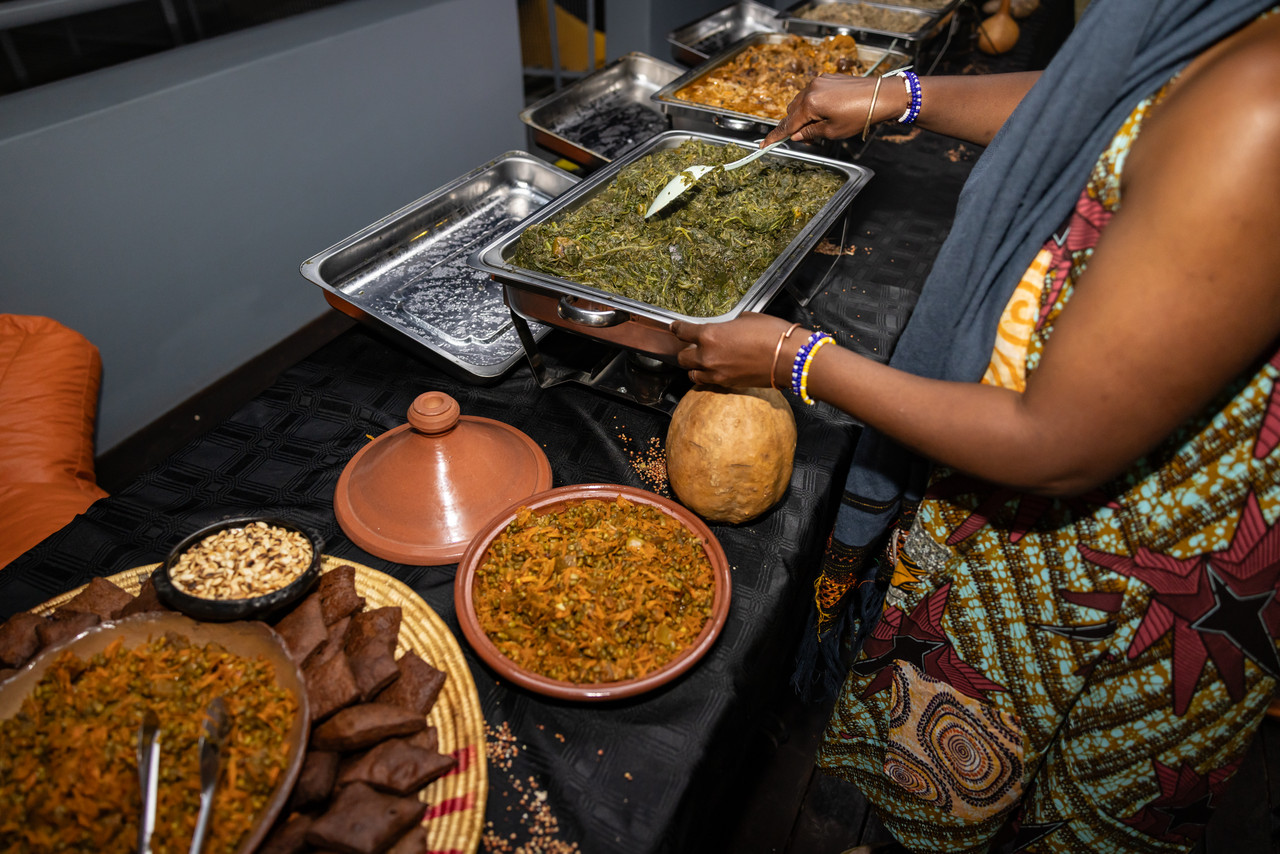
During the Fak’ugesi festival in October 2025, I was given the opportunity to speak about this practice and the experiences we’ve had through realising this prototype. A Seat At The Table Of Change, was a panel discussion that held space for me as an artist to speak about my practice, and to dive deep into the Three Fields project. We were honoured by Chef Nono, who prepared because meals for us, which were inspired by different cultures and food traditions/recipes across different parts of Africa that she has visited.
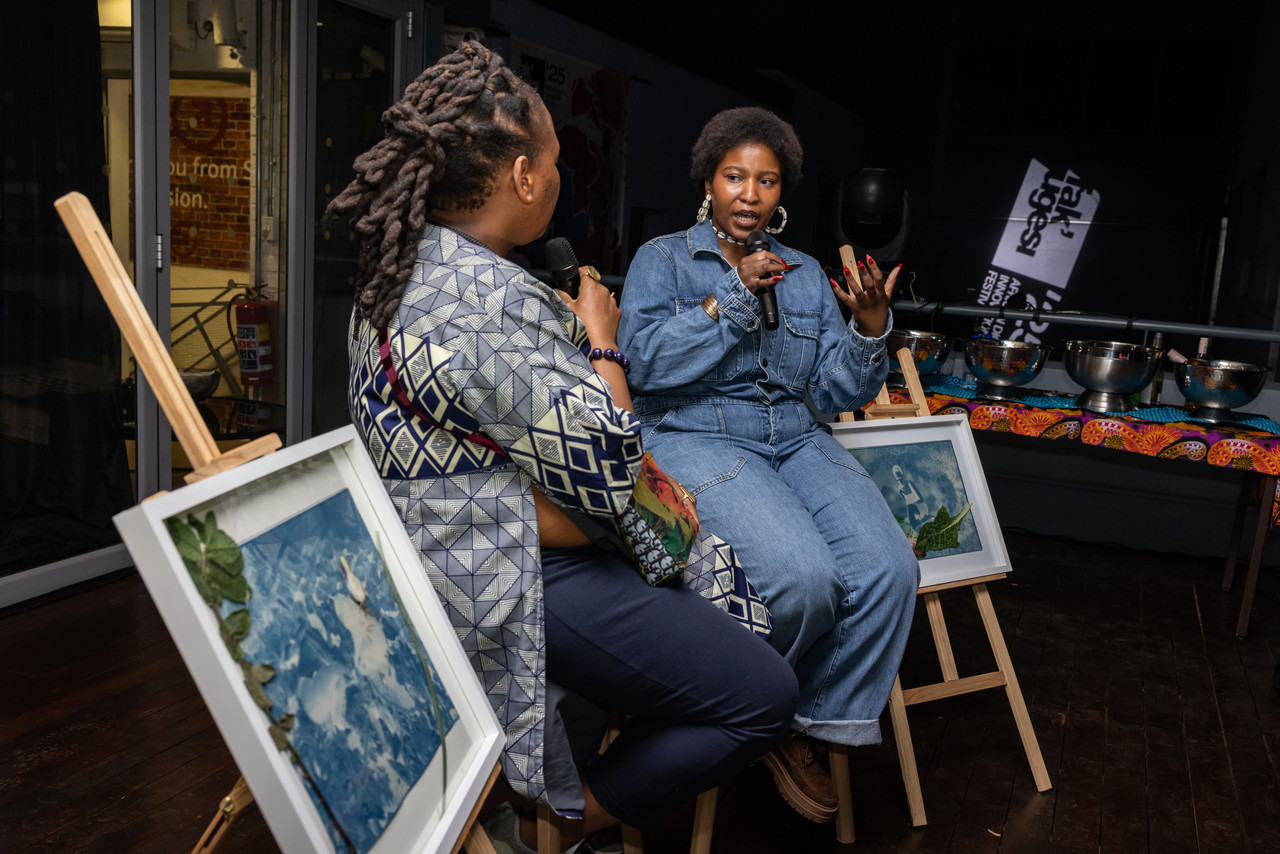
These meals, paired with the conversations we had. Provided a layered experience for me and the audience to experience this project. We were able to get opinions from the audience about the Three Fields project.
What I have learned through Three Fields is this: Food is never still. It moves. It remembers. It carries us with it.
And if we listen carefully, to soil, to spice, to sound, it can guide us toward more just futures.
Read about artist Kaajal Modi’s residency in Leeds UK or Deepa Reddy’s reflections on Black Pepper.
Images from Fak’ugesi Festival: Zivaniamatangi